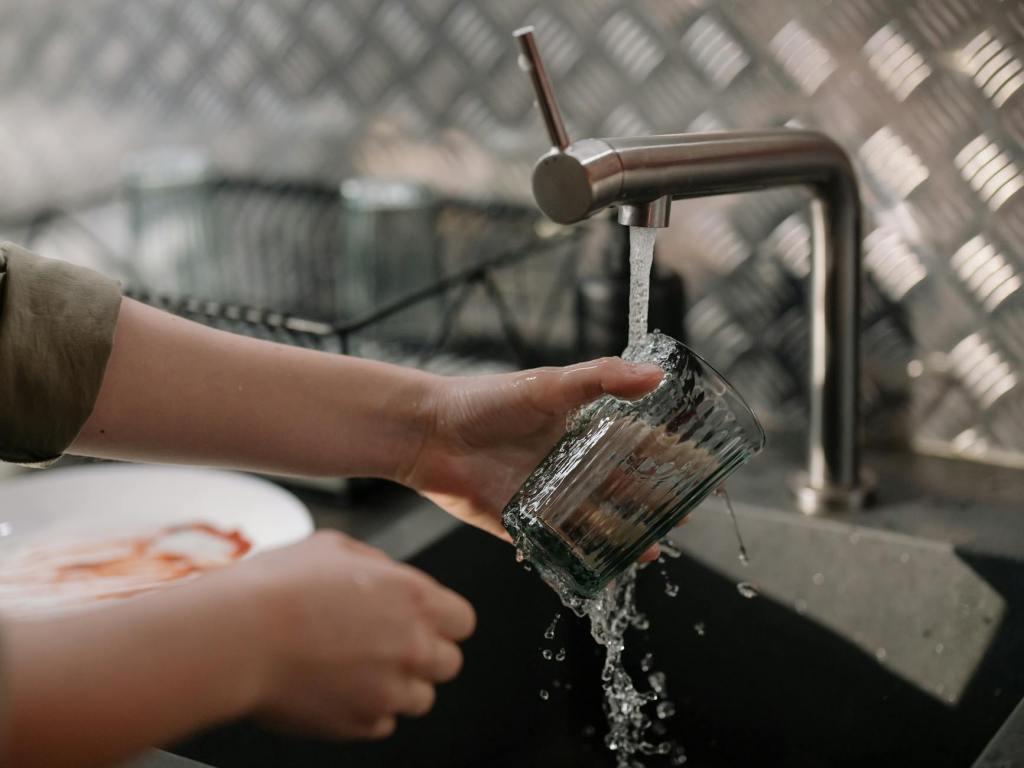
Like most kids growing up in the sixties, my brothers and I had regular chores we were expected to complete. One of those chores was to do the dinner dishes. After we finished eating, mom and dad would move to the living room with their coffee. My brothers and I would be left to clean the kitchen.
Since there were three of us, the task was conveniently broken into three assignments: clearing the table, washing the dishes and, of course, drying the dishes.
These chores had different desirability, so Mom made sure to rotate them weekly. The favored task was clearing the table. You could get it over with in a hurry and be on your way.
Washing the dishes was okay; the warm, soapy water was pleasant and hopefully the leftovers had been efficiently scraped into the garbage by the guy clearing the table. But then it got tricky. The important variable about washing the dishes was the mood of the sibling drying the dishes. Drying the dishes was where all the power rested.
That might not seem obvious, but trust me, that’s how it worked. If you had gotten crosswise with him or her during the day, doing the dishes could take hours. Every dish you washed and placed into the drying rack was subject to inspection by the person with the towel.
It could seem subtle enough, “You missed a spot.” And back the plate would go into the soapy water. Or perhaps there was an invisible smudge on the silverware or some lingering grease in the pans. There was always a little grin to go with the rejection, but it didn’t lessen the pain, in fact it made it worse. When the hostilities got too loud, mom or dad would come in to referee. You always hoped it would be Mom, because Dad didn’t mess around. He could do anything from calling for a truce, to grounding you. It kind of depended on the day that he’d had.
Eventually the task would get finished, until the next night, when the power struggles began all over again. You would think that mom and dad would be exhausted from the nightly antics. But they were committed to the notion that everyone had to contribute, and they were going to see that we all did, no matter how loud things got.
In addition to learning the importance of responsibility, there were a few other life-lesson that I learned in that kitchen. If you are given a job that lets you get in and get done, do it without complaint. If you need to team up, it is better to cooperate than to antagonize. And finally, don’t create unnecessary drama, just because you can. It doesn’t make the situation better and it may cost you in ways that you never anticipated.
 Its Worth Repeating